Shofar Series: Awakening. Alignment. Repentance. Worship.

The Shofar Series invites you into a powerful journey through the biblical sounds of the shofar, the sacred instrument through which GOD awakens, shapes, warns, gathers, and restores His people. Each sound carries a prophetic message, a spiritual posture, and a call to respond to the movement of GOD in our lives. This series is designed to help believers not only understand the meaning of each blast, but to discern the heart of GOD behind the sound.
Through these teachings, you will encounter the four traditional blasts of the shofar; Tekiah, Shevarim, Teruah, and Tekiah Gedolah.
The series concludes with the shofar in worship, where the sounds are no longer just signals, but expressions of devotion, surrender, and intimacy with GOD. Here, the shofar becomes an instrument of presence; a way to honor, exalt, and welcome the movement of the Holy Spirit among GOD’s people.
From awakening to breaking, from warfare to victory, and finally into worship, this series reveals the heartbeat of GOD calling His people to return, to rise, and to walk in deeper spiritual discernment. The Shofar Series is an invitation to hear the voice of GOD in a fresh way, so you can understand the prophetic language of the shofar and to respond with a heart fully awakened to His purpose.
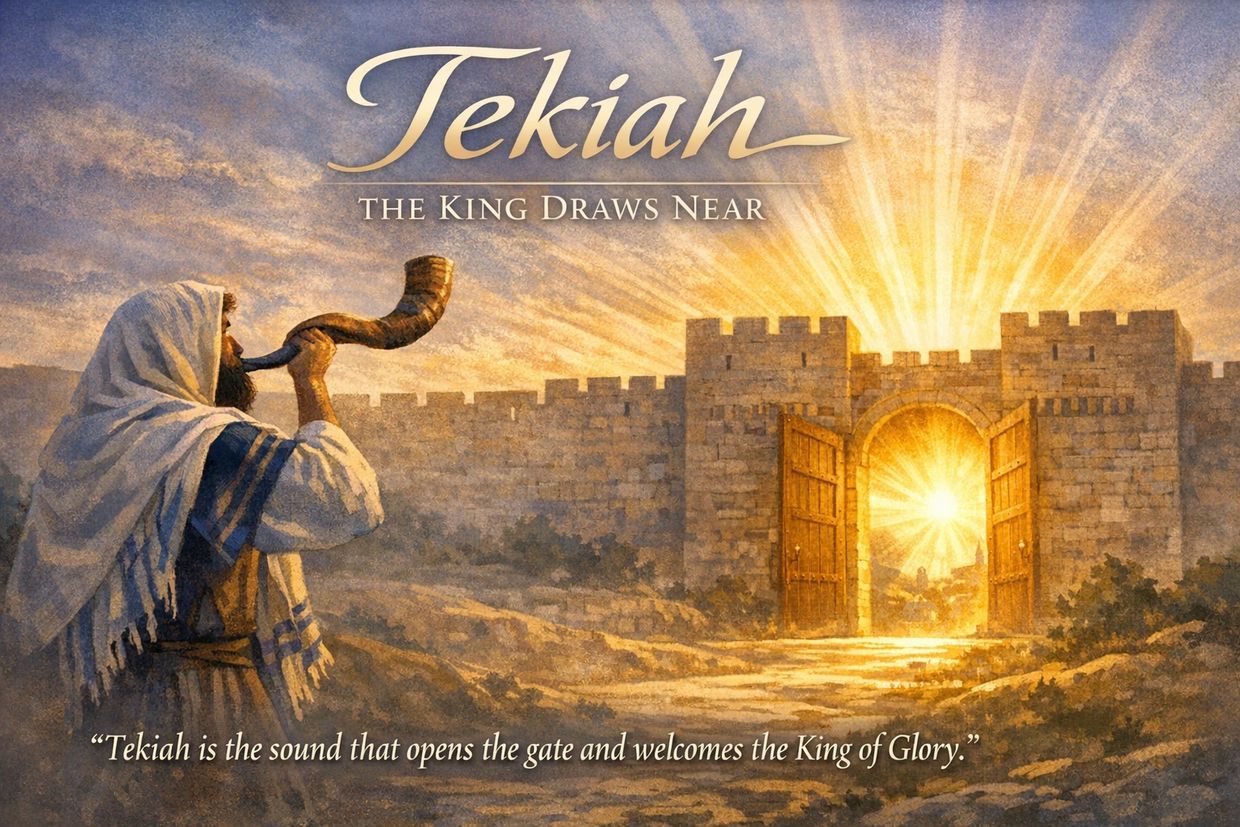
Tekiah: The King Draws Near
"Tekiah is the sound that opens the gate and welcomes the King of Glory."
Theme
The King draws near. The gate opens. The heart aligns.
Core Scripture
Ezekiel 43:4, “The glory of the LORD entered the temple through the gate facing east.”
Spiritual Meaning
Tekiah is the long, steady blast announcing the nearness of the King. It represents clarity, alignment, and the opening of the inner gate.
Tekiah is the sound that declares, “The King is approaching.” It is not a frantic or fragmented sound, it is a sound that is whole, unwavering, and royal. In Scripture, when the presence of the LORD drew near, the people prepared the way with order, reverence, and intentionality. Tekiah embodies that posture. It is the sound of a heart standing upright before GOD, steady and unbroken, ready to receive Him.
Spiritually, Tekiah is the moment when the soul responds to GOD with a simple, surrendered “Yes, Lord.” Before awakening, before repentance, before warfare, there must first be alignment. Tekiah brings our heart, mind, and spirit into unity with the will of GOD. It is the blast that straightens what is crooked and settles what is scattered.
Tekiah also symbolizes the breaking in of divine light. “The LORD is my light and my salvation” (Psalm 27:1). Light clarifies, exposes confusion. and reveals the path forward. When Tekiah is sounded, it is not merely a note, it is a declaration that the King of Glory is welcome to shine His light into every hidden place. It calls the people of GOD to stand in the brightness of His presence without fear or hesitation.
Prophetically, Tekiah opens the spiritual gates. “Lift up your heads, O gates… that the King of glory may come in” (Psalm 24:7). Gates represent access points, places of authority, decision, and influence. When Tekiah is sounded, it is a prophetic act of opening the gates of the heart, the home, the congregation, or the region to the rule and reign of Jesus. It is not a casual sound, but rather it is a royal announcement.
Application for Shofar Ministers
Tekiah requires inner stillness and surrender. You cannot sound Tekiah from a place of chaos or distraction. The steadiness of the blast must reflect the steadiness of the heart.
Tekiah is not about breath control, it is about spiritual posture.
When the heart is aligned, the sound carries authority. When the heart is scattered, the sound is empty.
Tekiah trains us to stand before the LORD with confidence, humility, and readiness. It is the sound of welcome, the blast that says: “Come, Lord Jesus. You are honored here.”
Tekiah prepares the atmosphere for everything that follows next: repentance, awakening, warfare, and rest. Without Tekiah, the other blasts lose their foundation, but with Tekiah, the heart is positioned to walk in step with the Spirit, no matter the journey you are on with the LORD.
Putting it into Action
Pause.
Welcome the presence of the LORD.
Sound a single Tekiah as an act of alignment and surrender.
Shofar Series Home
You can return to the Shofar Series Home Page by clicking the link below.
Come back anytime to learn how the shofar sounds minister in the Spiritual realm, and what each sound prophetically represents in our lives.

Shevarim: The Call to Softening & Return
"Shevarim is the sound of a heart yielding, and the breath of repentance that leads to healing."
Theme
The heart yields. The soul returns. The LORD heals.
Core Scripture
Psalm 51:17, “A broken and contrite heart, O GOD, You will not despise.”
Spiritual Meaning
Shevarim, the three broken sighs, is the sound of a heart being softened before the LORD. It is the sound of humility, repentance, and returning. In Scripture, brokenness is not weakness; it is openness. “A broken and contrite heart, O GOD, You will not despise.” Shevarim embodies this truth. It is the sound of a heart willing to be shaped, corrected, and healed by the hand of the Father.
Spiritually, Shevarim represents the places within us that have hardened through disappointment, sin, fear, or self‑protection. The broken notes mirror the gentle breaking that happens when the LORD exposes what must be surrendered. Shevarim is us spiritually yielding. It is the sound of saying, “Lord, soften what has hardened in me. Heal what I cannot heal.” It is the sound that invites the LORD to do the deep work that only He can do.
Shevarim also symbolizes the process of returning. “Come, let us return to the LORD” (Hosea 6:1). Returning is not a single moment, but a journey of re‑alignment, re‑tenderizing, and re‑awakening. Shevarim marks the moment when the heart turns back toward GOD with sincerity. It is the sound of repentance that leads to restoration, and the sound of a heart no longer resisting but yielding to His love.
Prophetically, Shevarim breaks cycles of stubbornness, pride, and spiritual numbness. It disrupts patterns that keep us distant from GOD. The broken notes pierce through layers of self‑reliance and call the soul back to dependence on the LORD. Shevarim is a spiritual reset. It is that moment when the heart is re‑softened to receive the next movement of GOD. Without Shevarim, awakening becomes shallow and warfare becomes fleshly.
Shevarim requires honesty and vulnerability. You cannot sound Shevarim with a hardened heart. The sound must come from tenderness, humility, and openness. Shevarim trains the each of us to stay soft before the LORD, to allow Him to search our heart so we can respond quickly when He convicts. It teaches the us to be rooted in a place of authenticity rather than performance.
Ultimately, Shevarim is the sound of return. It is the blast that says, “Lord, I come back to You with my whole heart.” It prepares our soul for awakening and positions our heart to receive the fullness of what GOD wants to do. Shevarim is the sound of surrender that leads to transformation.
Putting it into Action
Ask the LORD:
“Is there anything You want to soften in me?”
Then sound Shevarim gently, as an act of yielding and return.
Shofar Series Home
You can return to the Shofar Series Home Page by clicking the link below.
Come back anytime to learn how the shofar sounds minister in the Spiritual realm, and what each sound prophetically represents in our lives.
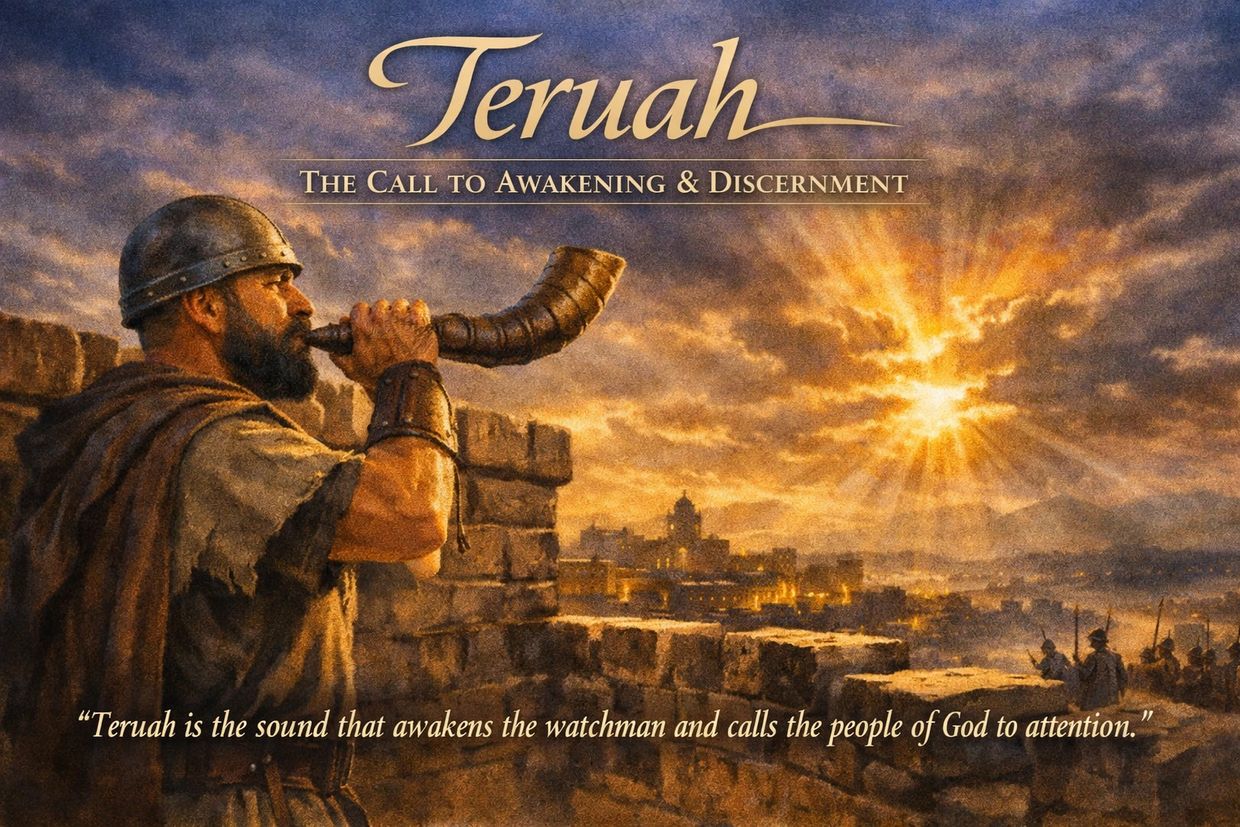
Teruah: The Call to Awakening & Discernment
"Teruah is the sound that awakens the watchman and calls the people of God to attention."
Theme
The watchman awakens. The spirit becomes alert. The gates are guarded.
Core Scripture
1 Peter 5:8, “Be sober‑minded; be watchful.”
Spiritual Meaning
Teruah, the nine sharp blasts, is the sound of awakening. It stirs the spirit, alerts the watchman, and calls the people of GOD to attention. In Scripture, Teruah gathered the camp, warned of danger, and announced a shift. It cuts through spiritual fog and demands awareness. Teruah is not a sound of panic, but rather a sound of holy alertness.
Spiritually, Teruah represents the moment when the LORD awakens our soul to His movement. It shakes off slumber, complacency, and distraction. Teruah calls us to lift our eyes, sharpen our senses, and tune our ears to the voice of the Spirit. It is the blast that says, “Wake up. Pay attention. Something is shifting.” Teruah prepares our heart to discern the movement of GOD in seasons of transition.
Teruah also symbolizes spiritual warfare, not striving, but awareness. Scripture calls believers to be sober‑minded and watchful. Teruah embodies that call as it alerts the watchman to stand on the wall, guard the gates, and remain vigilant. It exposes the schemes of the enemy and strengthens the people of GOD to stand firm. Teruah reminds us that spiritual passivity is dangerous and discernment is essential.
Prophetically, Teruah announces a shift in the spiritual atmosphere. It signals that the LORD is moving, that something new is emerging, and that His people must prepare for change. Teruah breaks cycles of dullness and awakens our senses to the presence and activity of GOD. It calls the church out of routine and into readiness.
Teruah requires clarity and sobriety. You cannot sound Teruah from confusion or emotional reaction. The sound must come from a heart that is alert, steady, and attentive to the Spirit. Teruah trains us to listen deeply, discern accurately, and respond quickly when the LORD stirs. It teaches the sounder to be a watchman who sees, hears, and responds.
Ultimately, Teruah is the sound of awakening. It is the blast that says, “Lord, awaken me to Your movement. Make me alert to Your voice.” It prepares the heart for transition and positions the soul to move with GOD rather than lag behind Him. Teruah calls the people of GOD into readiness.
Putting it into Action
Ask the LORD:
“What are You awakening in me this season?”
Then sound Teruah, nine sharp blasts, as an act of alertness
Shofar Series Home
You can return to the Shofar Series Home Page by clicking the link below.
Come back anytime to learn how the shofar sounds minister in the Spiritual realm, and what each sound prophetically represents in our lives.
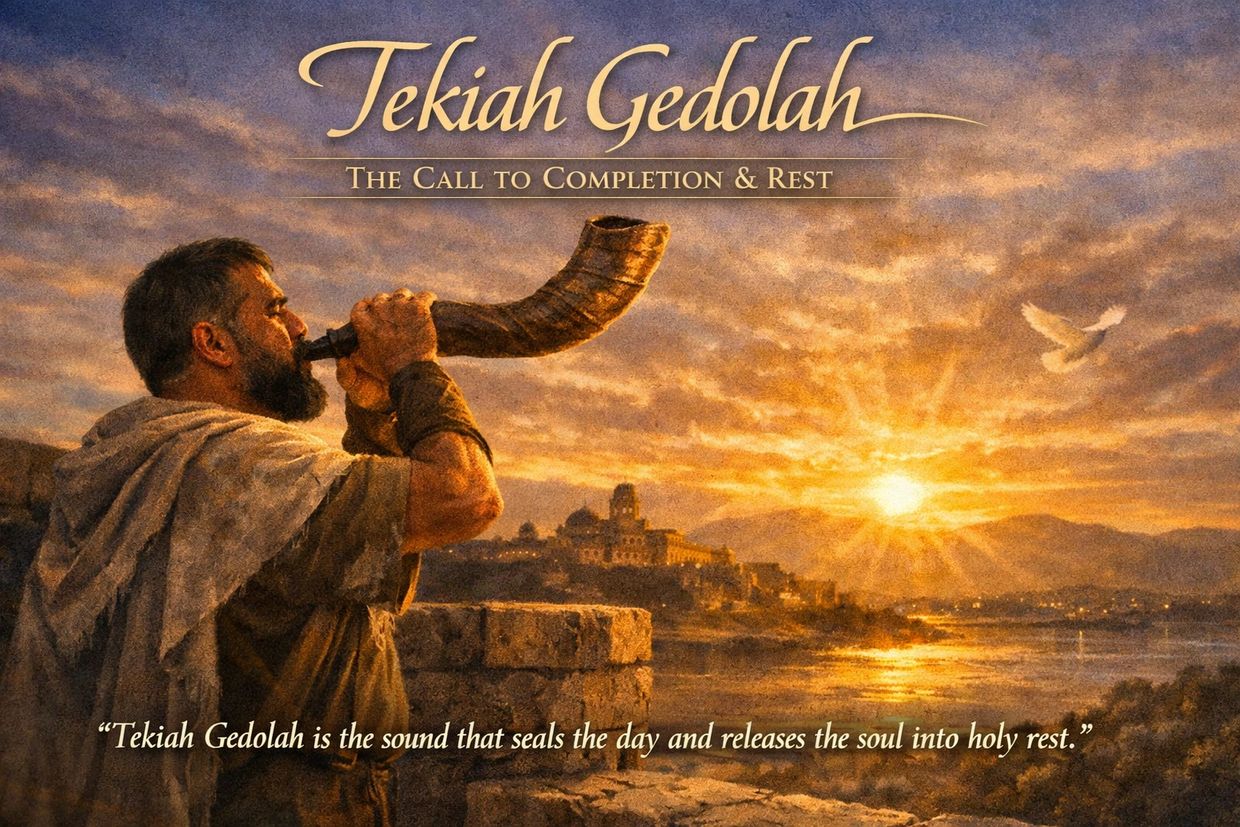
Tekiah Gedolah: The Call to Completion & Rest
"Tekiah Gedolah is the sound that seals the day and releases the soul into holy rest."
Theme
The day is sealed. The season shifts. The soul rests under His wings.
Core Scripture
Psalm 4:8, “In peace I will lie down and sleep, for You alone, LORD, make me dwell in safety.”
Spiritual Meaning
Tekiah Gedolah, the great extended blast, is the sound of completion. It seals a moment, marks a transition, and releases the people of GOD into rest. In Scripture, extended blasts concluded gatherings, finalized declarations, and signaled the end of battle. Tekiah Gedolah embodies closure and release because it is the sound that says, “It is finished. The LORD has done it.”
Spiritually, Tekiah Gedolah represents the moment when our soul releases striving and enters the rest of GOD. It calls us to trust, surrender, and cease from our own efforts. Tekiah Gedolah is not about holding the note as long as possible, but about holding the posture of rest. It is the sound of a heart that has laid down its burdens and placed its confidence in the LORD.
Tekiah Gedolah also symbolizes transition. “Behold, I am doing a new thing” (Isaiah 43:19). The extended blast marks the end of one season and the beginning of another. It seals what GOD has done and opens the way for what He is about to do. Tekiah Gedolah closes the old chapter and prepares the heart for the new. It is the blast that says, “Lord, I trust You with what comes next.”
Prophetically, Tekiah Gedolah is a declaration of victory. It proclaims that the LORD has fought the battle and that we can rest in His triumph. It breaks the spirits of fear, anxiety, and striving. Tekiah Gedolah releases peace into the atmosphere and establishes the authority of GOD over every situation. Tekiah Gedolah carries the weight of His sovereignty.
Tekiah Gedolah requires deep rest and surrender. You cannot sound it from a place of tension or self‑effort. The sound must come from a heart that trusts the LORD completely. Tekiah Gedolah trains us to release control, rest in GOD’s timing, and stand in His victory. It takes us from pressure to peace.
Ultimately, Tekiah Gedolah is the sound of rest. It is the blast that says, “Lord, I trust You. I release this season into Your hands.” It seals the work of GOD and prepares the heart for the next movement of the Spirit. Tekiah Gedolah brings closure, peace, and holy expectation.
Putting it into Action
Pray and release something into the LORD’s hands.
Then sound Tekiah Gedolah, the great blast of completion and rest.
Shofar Series Home
You can return to the Shofar Series Home Page by clicking the link below.
Come back anytime to learn how the shofar sounds minister in the Spiritual realm, and what each sound prophetically represents in our lives.
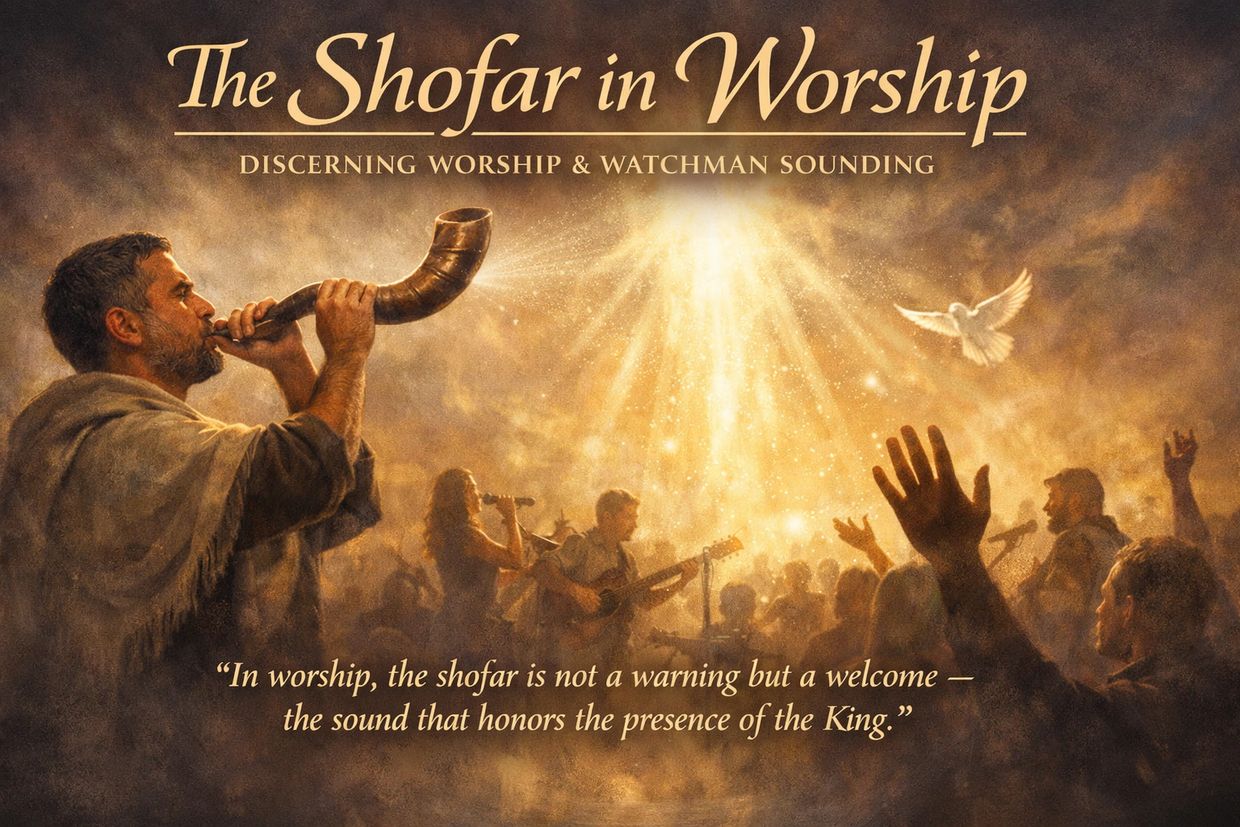
The Shofar in Worship: Discerning Worship vs. Watchman Sound
“In worship, the shofar is not a warning but a welcome. It is the sound that honors the presence o
Theme
The shofar as an instrument of praise, celebration, and presence, and how to discern when to sound in worship versus watchman assignments.
Core Scripture
Psalm 150:3 — “Praise Him with the sounding of the trumpet.”
Spiritual Meaning
The shofar is not only a prophetic tool, it is also an instrument of worship. Scripture places the shofar alongside cymbals, harps, lyres, and singing as part of the soundscape of praise. “Praise Him with the sounding of the trumpet.” In worship, the shofar is not a warning but a welcome. It honors the presence of the King and lifts the atmosphere into reverence and awe.
Spiritually, the shofar in worship represents the joining of heaven and earth. In 2 Chronicles 5, when the trumpeters and singers became one, the glory of the LORD filled the house. The shofar becomes a vessel through which the people of GOD align with the sound of heaven. It is not about volume or performance; it is about agreement. When the shofar is sounded in worship, it declares, “The King is here, and we honor Him.”
The shofar in worship also symbolizes celebration and joy. “With trumpets and the sound of the shofar make a joyful noise before the King” (Psalm 98:6). In worship, the shofar lifts the spirit, breaks heaviness, and releases freedom. It calls the people of GOD into joy, unity, and celebration. Worship is not only reverent, it is victorious. The sound of the shofar reminds the congregation that praise is warfare, and joy is strength.
When sounded in worship, the shofar becomes a declaration of presence. It announces that the King of Glory is among His people. It is the sound that shifts the atmosphere from ordinary to holy, from human effort to divine encounter. The shofar does not replace music, it complements it. It adds a prophetic layer to the worship experience, bridging the audible and the spiritual realms.
Discernment in Sounding
However, the shofar in worship must be discerned. Not every stirring is a call to sound. The shofar can shift an atmosphere, but it can also interrupt one if sounded outside the leading of the Spirit. Worship shofar must blend, not dominate. It must support the flow, not override it. The shofar minister must learn to sense the room, the worship leader, and the movement of the Spirit. Worship shofar is about sensitivity, not spontaneity.
Discernment comes through intimacy. The more the sounder knows the heart of GOD, the more accurately they can respond to His prompting. Sometimes the Spirit will stir the heart but not release the sound, that stirring may be intercession, not activation. The mature shofar minister learns to wait, to listen, and to sound only when heaven breathes the command.
In contrast, the watchman shofar is directional, authoritative, and often disruptive by design. It alerts, awakens, and warns. The worship shofar honors, welcomes, and celebrates. Both are holy, but they are not the same. The watchman sound breaks; the worship sound builds. The watchman declares; the worship sound adores. Discernment is essential. The shofar minister must learn to distinguish between the call to worship and the call to watch.
Prophetic Dimension
Prophetically, the shofar in worship carries the sound of alignment. When sounded under the anointing, it harmonizes the spiritual atmosphere with the rhythm of heaven. It can release prophetic decrees, healing, and breakthrough, not because of the horn itself, but because of the obedience behind it. The shofar is a vessel; the breath is the offering.
In moments of deep worship, the shofar can act as a seal, a Tekiah Gedolah of completion, marking the fullness of what GOD has done in that gathering. In moments of celebration, it can act as a Teruah, awakening joy and victory. In moments of repentance, it can echo Shevarim, the sighs of surrender. The shofar in worship is not limited to one sound; it flows with the Spirit’s movement.
Discernment Principles
- What is the room doing? Praise, intercession, stillness, warfare.
- What is the Spirit doing? Alignment, softening, awakening, sealing.
- Is this for the room or for me? Not every stirring is a call to sound.
- Will this serve the moment or interrupt it? Worship shofar blends; watchman shofar cuts.
- Is this obedience or expression? Sound only when led.
- Is there unity in the sound? The shofar should complement the worship team, not compete with it.
- Is the atmosphere ready? Sounding prematurely can fracture flow; sounding in timing can release glory.
For the Shofar Minister
Worship shofar must come from honor, unity, and sensitivity. Watchman shofar must come from obedience and clarity.
The shofar minister is both musician and messenger. In worship, they serve the altar of praise; in watchman assignments, they serve the wall of intercession. Both roles require humility, purity, and discernment. The shofar is not a stage instrument, it is a sacred vessel. Its power lies not in the horn, but in the heart behind it.
Before sounding, pause. Ask, “Lord, is this Your moment?” If He says yes, sound with confidence. If He says wait, worship in silence. The restraint of obedience is as holy as the release of sound.
Activation
Practice sensing the atmosphere. Then sound Tekiah as worship and Tekiah as watchman and notice the difference. Let the Spirit teach you the rhythm of heaven and the timing of the King.
Shofar Series Home
You can return to the Shofar Series Home Page by clicking the link below.
Come back anytime to learn how the shofar sounds minister in the Spiritual realm, and what each sound prophetically represents in our lives.